

Last Updated: November 4, 2026
Quick Summary
Natural hydrating lipstick is built on oils and butters such as jojoba, castor, shea and cocoa butter, which soften the lip and carry pigment without stripping moisture. Natural does not automatically mean gentler, so check the ingredient order and any fragrance or essential oils before buying.
- Jojoba oil spreads lightly because its structure resembles the sebum skin produces.
- Castor oil lasts longer on the lip but can feel sticky in humid weather.
- Shea butter is a reliable choice for everyday comfort on dry lips.
- Ingredients are listed by concentration, so the first five or six reveal most of the formula.
- Essential oils and fragrance are common irritants, so check labels if your lips are sensitive.
Table of Contents
- Why Natural Ingredients Matter in Hydrating Lipstick
- The Best Ingredients for Lip Hydration, Explained One by One
- Hydration Versus Occlusion: How to Tell What a Lipstick Actually Does
- Reading an Ingredient Label: Natural, Organic, Vegan and Certified Claims
- Natural Versus Synthetic Ingredients: What the Safety Question Really Looks Like
- Natural Lipstick for Everyday Wear: Staying Power and Comfort
- Natural Lipstick Swatches and Shade Selection Online
- Price, Value and How to Choose Your Next Hydrating Lipstick
- Try iBLipSilk's Hydrating Lip Range Next
- Frequently Asked Questions
Why Natural Ingredients Matter in Hydrating Lipstick
Most lipsticks promise comfort but deliver a waxy film that sits on dry lips and makes them feel tighter by afternoon. The difference between a hydrating lipstick and an ordinary one usually comes down to what goes into the base, and that is why natural ingredients in hydrating lipstick deserve a closer look before you buy.
Natural ingredients matter for three practical reasons. They can soften the skin on your lips, they carry pigment without stripping moisture, and many shoppers prefer formulas they can read and pronounce. None of this means a natural product is automatically gentler. Sensitivity is personal, so the ingredient list is the place to start, not the marketing copy. Check whether this brand's lip products suit sensitive skin before you decide.
Below, we explain the main ingredients one by one, show you how to tell hydration from simple occlusion, and walk through how to read a label with confidence. The aim is a clear buying decision for your lips, not a lecture on chemistry.
The Best Ingredients for Lip Hydration, Explained One by One
Good hydrating lipstick starts with a short list of oils and butters that each do a specific job. Knowing what those jobs are makes it easier to judge any product you pick up, and it helps you separate an ingredient that genuinely supports the lip barrier from one that is simply listed for label appeal.
Hydrating oils: jojoba, castor, avocado and argan
Oils form the flexible, glossy base of most natural lip colors, and each one behaves differently on the lip.
- Jojoba oil is technically a liquid wax ester, and its structure closely resembles the sebum your skin produces. That is why it spreads easily, feels light, and rarely sits heavily on the lip. It is a good choice if you dislike a thick, coated sensation.
- Castor oil is thicker and tackier. It gives a longer-lasting slip and helps pigment stay put, which is why it appears in so many glosses and lipsticks. The trade-off is that it can feel sticky in high concentrations, especially in humid weather.
- Avocado oil is richer and more cushioning. It suits lips that feel rough or flaky, and it pairs well with butters because it adds softness without much weight.
- Argan oil is lighter than avocado and often used for a softer, more refined finish. It is a pleasant emollient, though marketing sometimes overstates its unique benefits; on the lip, its main job is to soften and improve glide.
A common pattern is that a formula blends a light oil (jojoba or argan) with a thicker one (castor) so the product spreads easily but still clings to pigment. Our Mint Lip Therapy is a mint and shea based lip oil that keeps lips hydrated and soft. Shop the hydrating lip oil to see how these oils and butters come together in one product. If you want the oil benefit without a pigment layer, that is a good place to start.

Nourishing butters: shea, cocoa and mango
Butters add body and help lips feel protected through the day. They are also where the occlusion story begins, because butters are rich in fatty acids that sit on the surface and slow moisture loss.
- Shea butter is the most familiar. It is soft, spreads well, and contains a mix of fatty acids and minor components that most practitioners find soothing on dry lips. It is a reliable choice for everyday comfort.
- Cocoa butter is firmer and adds a richer, more structured texture. It can make a lipstick feel more substantial, but in high amounts it may feel waxy or heavy.
- Mango butter sits between the two: softer than cocoa, lighter than shea in some formulas, and often used to keep a product from feeling greasy.
Butters are often the reason a lipstick feels comfortable rather than slick, which is why they show up in so many well-formulated products. The key is balance. A formula that is almost all butter can feel occlusive but not hydrating, while one with too little butter may not hold its shape or protect the lip through a long day.
Waxes, humectants and antioxidants: the supporting cast
Oils and butters get the marketing attention, but three other ingredient groups decide how a lipstick actually performs.
- Waxes such as beeswax, candelilla, and carnauba give the stick its shape and help it stay on. Beeswax is soft and pliable; candelilla and carnauba are firmer and more durable. Waxes are occlusive, so they help seal in moisture, but they do not add water to the lip.
- Humectants such as glycerin, honey, and some sugar alcohols attract water to the surface. They are what make a formula feel genuinely hydrating rather than just sealed. A lipstick that pairs humectants with occlusive butters and waxes tends to feel softer for longer.
- Antioxidants such as vitamin E (tocopherol) and rosemary extract help protect the oils in the formula from going rancid. They are primarily a stability ingredient, though vitamin E also has mild skin-conditioning properties.
How to read the order of ingredients
Ingredient lists are ordered by concentration, from highest to lowest, until the point where the list drops below one percent. That means the first five or six ingredients tell you most of what the product is. If castor oil and shea butter appear near the top, the formula is likely rich and occlusive. If glycerin appears early, expect more humectant behavior. If a botanical extract or antioxidant appears near the end, it is probably present in a small amount and should not be treated as a headline benefit.
This is also where you can spot a formula that is mostly wax and pigment with a token amount of oil. It may still look glossy, but it is unlikely to deliver the soft, flexible feel that a genuinely hydrating lipstick provides.
The table below summarises the main hydrating ingredients covered in this section and what each one does on the lip.
| Ingredient | Main job | Key difference |
|---|---|---|
| Jojoba oil | Light, glossy base | Structure resembles sebum; spreads easily |
| Castor oil | Longer-lasting slip | Thicker and tackier; can feel sticky in humidity |
| Avocado oil | Cushioning softness | Richer; suits rough or flaky lips |
| Argan oil | Softer, refined finish | Lighter than avocado; improves glide |
| Shea butter | Everyday comfort | Soft and spreadable; reliable choice |
| Cocoa butter | Structured texture | Firmer; can feel waxy in high amounts |
| Mango butter | Balanced texture | Softer than cocoa; reduces greasiness |
Hydration Versus Occlusion: How to Tell What a Lipstick Actually Does
A lipstick can feel moisturizing for one simple reason: it seals the surface. That is occlusion, and it is different from genuine hydration, which means the lip skin is holding more water. Both have a place, but they behave differently.
A quick test helps. Learn practical steps for keeping lips moisturized under lipstick. Apply the product and check your lips after an hour. If they feel smooth but still tight underneath, the product is mostly sealing. If they feel softer and more flexible, the formula is delivering more than a film. Occlusive ingredients such as butters and waxes keep moisture in, while humectant-style ingredients help draw it in. The best hydrating lipsticks combine both.
Reading an Ingredient Label: Natural, Organic, Vegan and Certified Claims
Labels are where the real information sits. Terms like "natural," "organic," "vegan" and "certified" are used loosely, so check what each one means before trusting it. Look for a full ingredient list rather than a highlight reel, and check whether any third-party certification is named.
Watch for fragrance and certain colorants if you have sensitive lips, since these are the ingredients most often linked to irritation. If an ingredient or claim is not listed, treat it as unknown rather than assuming it is there.
Natural Versus Synthetic Ingredients: What the Safety Question Really Looks Like
"Natural" does not automatically mean safer, and a synthetic ingredient is not automatically a problem. That is the short version, but the useful version is more specific: what matters is the individual ingredient, its concentration, its purity, and whether it suits your skin. This is the part most roundups skip, and it is the part that actually helps you choose.
Why natural does not equal gentle
Botanical ingredients are complex mixtures. A plant extract can contain dozens of compounds, and some of them are common sensitizers. Fragrance and essential oils are the clearest example: lavender, citrus, peppermint, and eucalyptus oils are natural, but they are also among the most frequent causes of irritation on sensitive lips. Beeswax and propolis can trigger reactions in people with pollen sensitivities.
On the synthetic side, well-purified emollients and humectants are often bland and predictable. That is not a mark against them. A synthetic ingredient with a long safety record and no fragrance can be a better choice for reactive lips than a botanical oil that smells lovely but stings.
How to evaluate a safety claim
A claim is only as good as the evidence behind it. When you see a phrase like "clean," "non-toxic," or "dermatologist-tested," ask three questions:
- What exactly is being claimed? "Free from parabens" is a specific statement. "Clean beauty" is a marketing category with no agreed definition.
- Who verified it? A named third-party certification, such as a recognized organic standard, carries more weight than a brand's own badge.
- What is the full ingredient list? A product that highlights five botanicals but does not publish the full list is asking you to trust the highlight reel.
The concentration problem
A small amount of a botanical extract near the end of an ingredient list is unlikely to do much, good or bad. The same ingredient near the top is a different story. This cuts both ways: a "natural" formula can contain a high concentration of an essential oil that irritates sensitive lips, and a "synthetic" formula can contain a low concentration of a well-tolerated emollient. Reading the order of ingredients tells you more than the marketing category does.
Watch out: products that advertise "chemical-free" are making a claim that cannot be true, since water, oils, and waxes are all chemicals. Treat that phrasing as a signal to look more closely at the rest of the label.
What to do if your lips react
If you have a history of reactions, patch test a new lipstick on the inner wrist or a small area first, and stop using it if irritation develops. Keep a note of the ingredients in products that caused a reaction so you can compare future labels. Speak with a dermatologist or allergist about persistent reactions, especially if you suspect a specific essential oil, fragrance, or lanolin.
Natural Lipstick for Everyday Wear: Staying Power and Comfort
Everyday wear asks more of a lipstick than a single night out. You want color that holds through meetings and lunch, and a formula that stays comfortable rather than drying out after a few hours. Staying power and hydration pull in opposite directions, so the trade-off is worth understanding.
Longer-wearing formulas often rely on more film-forming ingredients, which can feel heavier. Browse a long-wear option that stays comfortable all day. Lighter formulas feel comfortable but may need touch-ups sooner. Choose based on your day: a long desk-and-meeting day suits a longer-wear formula, while a relaxed day suits a softer, more hydrating one.
Natural Lipstick Swatches and Shade Selection Online
Buying shade online is the hardest part of ordering lip color. Screens vary, and lighting changes everything. Look for swatches photographed on several skin tones and in natural light, and compare the swatch to your own lip color rather than to a model's.
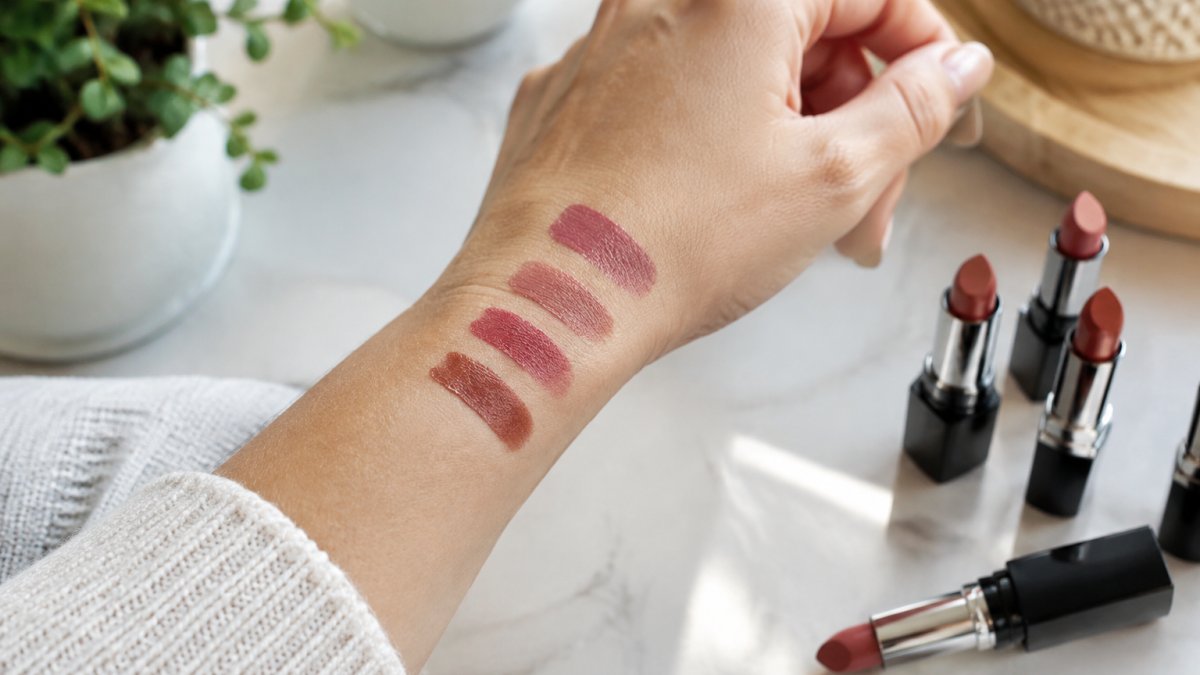
If a shade looks borderline, choose the one closer to your natural lip tone for an everyday look, or a bolder option only if you already wear that depth. Read customer reviews that mention skin tone and lip type, since they are more useful than a single glowing comment.
Price, Value and How to Choose Your Next Hydrating Lipstick
Price should follow what you need. Mint Lip Therapy sells for $12.00, Lip Therapy A for $15.00, and the IB Lip Silk Lip Gloss for $21.00. Look at the hydrating IB Lip Silk Lip Gloss directly to compare its value. A lower price can be a fine choice for a simple daily oil, while the gloss suits someone who wants pigment and a finished look in one step.

To choose well, decide first whether you want care only, color with care, or long-wear color. Then check the ingredient list against your sensitivities, and pick the shade that matches your everyday lip tone. Start with one product and see how your lips respond over a couple of weeks before committing to a full routine.
Try iBLipSilk's Hydrating Lip Range Next
If you want color that also feels comfortable, explore the iBLipSilk range and find the formula that fits your lips. Start with the Mint Lip Therapy oil for hydration, or the IB Lip Silk Lip Gloss for pigment with a nourishing base. Shop the range at iBLipSilk and pick the option that suits your routine.
Frequently Asked Questions
What is the healthiest lipstick for your lips?
A lipstick with a short, recognizable ingredient list usually suits lips best. Look for moisturizing oils such as jojoba, castor, avocado or argan, and butters such as shea or cocoa. Fragrance-free formulas are often gentler on sensitive lips. Because a healthy choice depends on your own skin, patch-test a new product on the inner arm or a small lip area for a day before wearing it fully.
What is the difference between natural and organic lipstick?
Natural describes ingredients that come from plants, minerals or other non-synthetic sources, but the term has no single legal definition. Organic usually means ingredients were grown and processed under a recognized standard, and it is confirmed by a certifying body. A product can be natural without being organic, and an organic claim is only meaningful when a certification is named. When comparing products, check the ingredient list and look for a named certification rather than relying on the word natural alone.
How can I tell whether a lipstick is genuinely hydrating?
Hydration comes from ingredients that add moisture or help it stay in place. Emollients like jojoba and squalane soften the lip surface, humectants draw water in, and occlusives such as beeswax or butters create a barrier. A lipstick that feels comfortable after a few hours, rather than tight or flaky, is usually doing its job. Wearing it for a full afternoon in a normal setting is a practical test. Products that dry lips out often rely heavily on alcohol or drying film formers.
Can hydrating lipstick help with dry or chapped lips?
It works best as part of a routine rather than a full treatment. For severely cracked or painful lips, a dedicated lip balm and time to heal may be more useful than color. iBLipSilk's Mint Lip Therapy is a lip oil built on mint and shea for everyday softness, available at 12.00.
Is natural lipstick better for sensitive lips?
Natural lipstick is not automatically gentler. Plant-derived ingredients such as essential oils or some botanical extracts can irritate sensitive lips, while some synthetic ingredients are very well tolerated. Fragrance-free, short ingredient lists are a more reliable guide than the word natural. If your lips react easily, test one shade first and check the full ingredient list for flavorings, fragrance and preservatives you already know you react to.
What should I look for in a natural hydrating lipstick?
Start with the ingredient list. Look for hydrating oils and butters near the top, a clear shade name and finish, and a named certification if organic status matters to you. Check whether the formula is fragrance-free if you have sensitive lips. Read reviews that mention how the lipstick feels after several hours, not only how it looks on application. iBLipSilk's IB Lip Silk Lip Gloss, priced at 21.00, is vegan and contains shea butter.
