

Last Updated: November 3, 2026
Quick Summary
A lip color that does not crack starts with matching the formula to your lips: dry lips need creamy, hydrating color, oily lips do better with a soft matte, and fine lines call for satin finishes that blur texture. Prep with gentle exfoliation and balm, apply thin layers, and blot before touching up only the center.
- Dry lips are the number one cause of cracking color, so prep and moisture matter most.
- A single thin layer lasts longer than three thick coats, which crack first.
- IB Lip Silk Lip Gloss costs $21.00 and includes shea butter in a vegan-friendly formula.
- Blot after applying, then set only the outer edges with translucent powder.
- Remove color with a gentle oil-based remover and never scrub at flakes.
Table of Contents
- Why Lip Color Cracks: Identifying the Causes
- Best Long-Lasting Lipstick That Doesn't Dry
- Best Moisturizing Lipstick That Stays On
- Lipstick That Stays On While Eating
- Best Matte Lipstick That Stays On Without Cracking
- Step-by-Step Routine to Prevent Cracking
- Reapplication and Removal Without Worsening Dryness
- Choosing Your Hydrating Lip Color
- Frequently Asked Questions
Why Lip Color Cracks: Identifying the Causes
Lip color that does not crack starts with understanding why cracks happen in the first place. Most cracks come from three sources: dry lips, fine lines that grab pigment, and a formula mismatch between your lips and the product. Many shoppers blame the lipstick when the real issue is dry, unprepared lips underneath.
Cracking is not random. It follows a pattern you can spot and fix. The useful move is to diagnose which cause is yours before you buy another product, because the fix for dryness is not the fix for product buildup, and neither is the fix for a formula that sets too rigid.
Cause 1: Dryness and a Compromised Lip Surface
Dry lips are the number one cause. When lips lack moisture, the surface turns flaky and rough. Color settles into those flakes, then breaks apart as you talk or smile. The mechanism is mechanical: pigment particles need a smooth, flexible surface to bond to, and dead skin cells slough off under the color, taking the pigment with them.
A common pattern is lips that feel fine in the morning but crack by midday. That usually means the lip surface was already dehydrated before application and the color simply accelerated the visible flaking. If your lips sting when you apply a mint or plumping product, that is a signal the barrier is compromised, not a sign the product is working.
Watch out: layering matte color over unexfoliated lips traps dead skin underneath. The color peels within hours, and the peeling looks like a formula failure when it is really a prep failure.
Cause 2: Fine Lines and Texture That Grab Pigment
Fine lines work the same way as flakes, but the mechanism is different. Pigment collects in the creases, and the color looks cracked even when the formula is fine. Vertical lines on the lips act like tiny channels; a thin, watery formula flows into them and dries unevenly, while a thicker formula sits on top and can bridge the lines until you press your lips together.
Texture also includes the lip border. If the edge of your lip is dry or uneven, color applied to the border will feather and break down first. That is why cracks often start at the corners and the center rather than across the whole lip.
Cause 3: Formula Mismatch
Formula mismatch is the third piece. A matte liquid lipstick on very dry lips will almost always crack. A creamy, hydrating formula on oily lips may slide instead. The trade-off is real: formulas that hold color through transfer tend to rely on film-formers and pigments that set, and those same ingredients are what make a formula feel tight on dry lips.
Match the formula to the lip, not to the marketing claim. If your lips are dry and textured, a creamy or satin formula that stays slightly flexible will crack less than a flat matte, even if the matte advertises longer wear. If your lips are oilier, a soft matte or a stain will hold better than a gloss that never sets.
Cause 4: Application Thickness and Product Buildup
Application thickness is the cause most people miss. A thick coat cannot flex with your lips, so it cracks along the same lines your lips move along. Product buildup works the same way over time: reapplying over old color without removing it creates layers that separate and flake.
A practical diagnostic: if the cracks appear in the same places every day, the cause is likely texture or application. If the cracks appear everywhere and the color feels tight, the cause is likely dryness or a formula that sets too hard. If the color breaks down at the edges first, the cause is likely buildup or a formula that does not adhere to the lip border.
If dryness is your main problem, our guide on how to hydrate dry lips while wearing lipstick walks through the prep steps that stop the cracking cycle.
Best Long-Lasting Lipstick That Doesn't Dry
A long-lasting lipstick that doesn't dry tends to balance pigment with moisture, so it can hold color without pulling water from your lips. Look for a creamy or satin formula with hydrating ingredients rather than a flat matte that sets hard.
Long wear and comfort can coexist. The trick is what the formula uses to hold color.
- Creamy bases that flex with your lips instead of setting rigid
- Hydrating ingredients like shea butter high in the ingredient list
- A satin or soft matte finish rather than a powdery matte
- Buildable pigment you can layer thin
What most guides miss: a single thin layer lasts longer than three thick coats. Thick layers crack first because they cannot flex.
Wear time matters, but comfort matters more.
Best Moisturizing Lipstick That Stays On
A moisturizing lipstick that stays on pairs hydration with pigment, so lips can feel soft while the color holds.
A good option for this balance is IB Lip Silk Lip Gloss ($21.00). Its formula includes shea butter, known for moisturizing, and it is vegan-friendly. The full-pigmented color delivers rich, vibrant shade.
The tube also has a mirror and a lighted applicator, which can help when you're applying in low light.
Hydrating Ingredients to Look For
Check the label before you buy. These ingredients help lips stay soft under color:
- Shea butter for lasting moisture
- Oils and emollients that soften the lip surface
- Vegan-friendly formulas if ethical sourcing matters to you
If you want the full range of long-wear, non-drying options, read our breakdown of long wear lipgloss that stays on all day without drying.
Lipstick That Stays On While Eating
Lipstick that stays on while eating comes down to formula type and how you set it.
No color survives a greasy meal untouched. But you can protect your wear time with a few habits:
- Blot once after applying, then add a thin second layer
- Skip heavy oil-based foods right after application
- Touch up the center of your lips, not the whole mouth
- Keep a balm or lip oil nearby for between-meal care
A common mistake is reapplying over crumbs and flakes. That builds uneven texture and cracks faster. Wipe gently first, then reapply.
Best Matte Lipstick That Stays On Without Cracking
A matte lipstick that stays on without cracking tends to use a soft or creamy matte finish that flexes with your lips.
Matte does not have to mean dry. Here is what separates a good matte from a bad one:
- Soft matte finish that moves slightly instead of setting stiff
- Creamy texture at application, drying down without flaking
- Even pigmentation so you need less product for full coverage
If your lips are chronically dry, prep matters more with matte than any other finish. Exfoliate gently, moisturize, then apply matte color in a thin layer.
Watch out: matte formulas show every flake. If lips are peeling, fix the peeling first, then reach for matte.
Step-by-Step Routine to Prevent Cracking
A practical routine can help reduce cracking. Follow these four stages each time you apply color, and adjust the details based on the formula you are wearing.
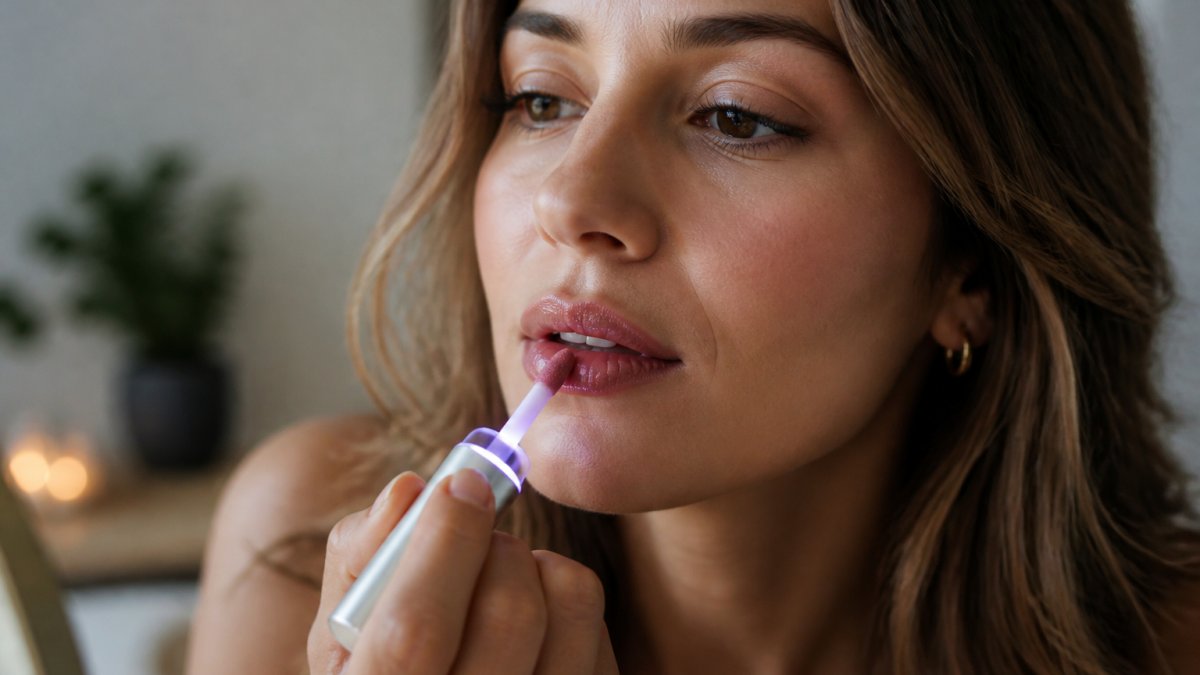
Prep, Apply, Set, and Touch Up
- Prep: Gently exfoliate lips, then apply a lip oil or balm. Our Mint Lip Therapy uses a mint and shea base to add moisture and softness. Give the balm a minute to absorb, then blot the excess so the color has a surface to grip rather than a slippery layer to slide on. If lips are already flaking, skip the scrub and soften the flakes with balm first; scrubbing cracked lips makes the damage worse.
- Apply: Use a thin, even layer. Build to full color in two light passes rather than one thick coat. For matte formulas, apply to the center of the lip first and blend outward with a fingertip or a small brush so the product stays thin at the border. For creamy and glossy formulas, one pass is usually enough; a second pass is for intensity, not for coverage.
- Set: Blot with a tissue, then dust a tiny amount of translucent powder only at the outer edges if you want extra hold. Blotting removes excess oil without stripping the color. Setting the whole lip with powder is what makes matte color look chalky and crack later, so keep powder to the edges where transfer happens.
- Touch up: Reapply just the center of your lips. Add a touch of balm first if lips feel tight. Wipe the center gently with a tissue before reapplying so you are not layering new color over old, flaking product.
| Stage | What to Do | Why It Works |
|---|---|---|
| Prep | Exfoliate gently, moisturize, blot excess balm | Removes flakes and creates a smooth, non-slippery base |
| Apply | Thin, even layers; build in two passes | Flexes with lips instead of cracking |
| Set | Blot, then light powder at the edges only | Locks color without drying the center |
| Touch up | Wipe center, balm if tight, reapply center only | Avoids buildup and flaking |
Adapting the Routine by Formula
The routine stays the same, but the details shift with the formula. A soft matte needs the thinnest possible layer and no powder in the center. A satin formula tolerates a slightly heavier layer and benefits from blotting. A gloss or oil does not set, so the goal is to keep the base smooth and accept that touch-ups are part of the wear.

If you wear long-wear liquid color, the prep stage matters more, not less. Long-wear formulas grip the lip surface, so any flake or rough patch becomes a place where the color lifts. A common pattern is readers who get great wear from a long-wear formula on smooth lips and poor wear on the same formula when lips are dry.
Watch out: applying a setting powder over a thick layer of creamy color creates a crust that cracks as soon as you smile. If you want extra hold, thin the color first, then set only the edges.
What to Do When Lips Are Already Cracked
If your lips are cracked before you start, the routine above will not fix the damage. Stop layering color on top and give lips a bare break with a treatment until the surface is smooth again. Our step-by-step recovery plan for chapped lips helps you fix the damage before you reapply. Once the lips are smooth, restart at the prep stage and keep the first application thin.
Reapplication and Removal Without Worsening Dryness
Reapplication and removal are where most people undo their good prep. Rough removal strips the lip surface and sets up the next crack.
Follow these rules:
- Remove color with a gentle oil-based remover, not a rough wipe
- Never scrub at flakes; soften them first with balm
- Reapply only after lips feel smooth again
- Give lips a bare break overnight with a treatment
If your lips are already chapped, stop layering color on top. Our step-by-step recovery plan for chapped lips helps you fix the damage before you reapply.
Choosing Your Hydrating Lip Color
Choosing the right lip color that does not crack means matching formula to your lip type. Dry lips need creamy, hydrating color. Oily lips do better with a soft matte. Fine lines call for satin finishes that blur texture.
Our recommendation: start with a hydrating formula and build your routine around prep. A good formula plus good prep beats an expensive product used on dry lips.
For a comfortable, hydrating everyday pick, shop IB Lip Silk Lip Gloss and see the shade range for yourself.

Frequently Asked Questions
How can I stop lipstick from cracking and flaking?
Start with exfoliation and a hydrating balm, then apply a moisturizing lip color in thin layers. Avoid matte formulas that contain drying alcohols. Set with a light dusting of translucent powder only if needed, and touch up with a hydrating gloss rather than more matte color. Keeping lips moisturized throughout the day is the most reliable way to prevent cracking and flaking.
Is matte lipstick more likely to crack?
Traditional matte lipsticks can crack because they often lack oils and humectants. However, newer matte formulas with hydrating ingredients like shea butter can provide a soft matte finish without cracking. Look for matte lipsticks labeled hydrating or moisturizing, and always prep lips with a balm before application to reduce the risk of flaking.
How do you make lipstick stay on while eating?
Choose a transfer-resistant or long-wearing formula, apply a thin layer, and blot with a tissue. Avoid oily foods that break down color quickly. For extra hold, use a lip liner as a base and set with a translucent powder.
What is the best lip color for dry lips?
The best lip color for dry lips is a hydrating formula that contains ingredients like shea butter, hyaluronic acid, or oils. Avoid long-wear liquid lipsticks that feel tight. Instead, choose a creamy or gloss formula that adds moisture while delivering color. iBLipSilk's lip gloss is formulated with shea butter and is vegan-friendly.
Your lips deserve color that feels as good as it looks. At iBLipSilk, our hydrating lip colors combine rich pigment with nourishing care, so you get vibrant shade without the cracking. Explore the full collection, including our vegan-friendly gloss with a built-in mirror and lighted applicator, and find your perfect shade. Get started with iBLipSilk and enjoy comfortable, lasting color all day.
