

Last Updated: November 12, 2026
Quick Summary
To verify vegan makeup, read the full INCI ingredient list and flag animal-derived names like carmine, beeswax and lanolin, then cross-check any certification logo against its actual scope. For uncertified brands, ask for supplier sources on ambiguous compounds and a written testing policy covering suppliers, not just finished products.
- Vegan means no animal ingredients; cruelty-free means no animal testing, and a product can be one without the other.
- Glycerin, stearic acid and squalane can be plant or animal derived, and the INCI name reads identically either way.
- A Leaping Bunny logo covers testing only and says nothing about whether the formula contains carmine.
- Check that a certification covers the specific product you are buying, not just the brand's homepage.
- Email the brand one specific question about your grey-area ingredient and judge whether the reply is specific or canned.
Table of Contents
- Why Vegan Claims Need Verification
- Vegan vs Cruelty-Free Makeup: What the Labels Actually Mean
- How to Check if Makeup Ingredients Are Vegan
- Vegan Makeup Certification: Which Logos Matter and What They Cover
- The Role of Animal Testing in Cosmetic Supply Chains
- A Step-by-Step Process to Audit Any Brand
- Verifying Small and Indie Brands Without Certifications
- How to Identify 100% Vegan Makeup Brands
- International Regulations and Global Vegan Standards
- What to Check Before You Buy Your Next Lip Color
- Frequently Asked Questions
Why Vegan Claims Need Verification
A "vegan" label on a lipstick tube is a claim, not a guarantee.
Here's the uncomfortable truth most buying guides skip: a product can be free of animal ingredients and still be tested on animals, or carry a "natural" badge that says nothing about animal derivatives at all.
Below, we'll show you the checks a careful buyer runs before committing to a new lip color, plus the shortcuts that save time when a brand has no certification at all.
Vegan vs Cruelty-Free Makeup: What the Labels Actually Mean
Vegan makeup contains no animal-derived ingredients or by-products. Cruelty-free makeup was not tested on animals at any stage of development. These are two separate claims, and a product can be one without the other.
That distinction trips up almost everyone. A lipstick can be vegan (no beeswax, no carmine) while the parent company still allows animal testing in markets where regulators demand it.
When you're checking vegan vs cruelty-free makeup claims, treat them as two columns on a checklist, not one box. Ask two questions: what's in it, and who tested it? A brand that answers only one has given you half the picture.
How to Check if Makeup Ingredients Are Vegan
Start with the ingredient list, because it's the only part of the packaging that's legally required to be accurate. Read the full INCI list, not the front-of-pack marketing, and cross-check each unfamiliar term against a reliable ingredient database.
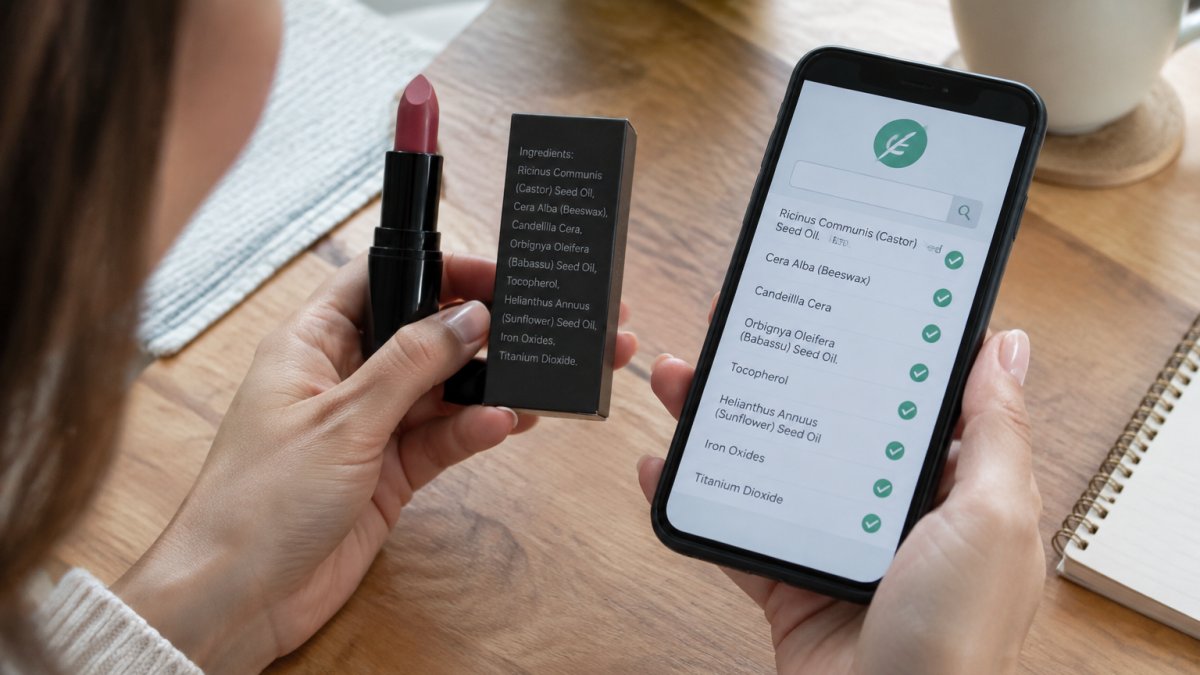
Animal-Derived Ingredients Hiding in Plain Sight
Some animal ingredients are obvious. Most are not. Watch for these on any lip or face product:
- Carmine (also listed as CI 75470): crushed cochineal insects, common in red and pink pigments
- Beeswax (Cera alba): a bee by-product, frequent in balms and glosses
- Lanolin: wool grease, used as an emollient
- Collagen and keratin: often animal-derived proteins
- Guanine: fish scales, used for shimmer
- Shellac: resin from the lac insect, used in long-wear finishes
- Tallow and tallowate: animal fat derivatives, sometimes in soaps and creams
- Casein: milk protein, occasionally used in mascara and conditioners
- Chitosan: derived from crustacean shells, used in some film-formers
- Oleic acid and oleyl alcohol: can be plant or animal derived, often from tallow
For a deeper ingredient-by-ingredient breakdown, our guide to vegan lipstick ingredients to avoid lists the full set with the names they hide behind.
Hidden Animal Derivatives in Synthetic Compounds
Here's the gap most guides miss: synthetic doesn't automatically mean vegan.
Glycerin is the classic example. It can be plant-derived (from coconut or palm) or tallow-derived, and the label reads identically either way.
Other ambiguous INCI names to flag:
- Polysorbates (e.g., Polysorbate 20, 60, 80): ethoxylated sorbitan esters; the sorbitan can be plant or animal derived
- PEG compounds (e.g., PEG-100 stearate): the stearate portion may be animal-derived
- Squalane: traditionally from shark liver, now often plant-derived (olive or sugarcane); the INCI name is the same
- Cetyl, stearyl, and cetearyl alcohol: fatty alcohols that can be plant or animal derived
- Caprylic/capric triglyceride: usually plant-derived, but the source should be confirmed
- Lecithin: typically soy or egg; egg-derived lecithin is not vegan
- Glycerides (e.g., glyceryl stearate): the glycerin and fatty acid components may be animal-derived
This is where you stop trusting the label and start asking the company directly. A brand that can name its glycerin source is a brand that has done the work.
Watch out: a product can carry a vegan logo and still contain an ambiguous synthetic compound if the certifier's audit did not trace the raw-material source.
Reading the Label Like an Auditor
Work through the list in order and mark each ingredient as confirmed plant-derived, confirmed animal-derived, or ambiguous. The ambiguous ones are your questions for the brand.
If the brand cannot answer, that is useful information. Brands with genuine supply-chain transparency can typically answer specific ingredient questions, while brands that rely on marketing claims often reply with generic statements about their commitment to ethics.
Vegan Makeup Certification: Which Logos Matter and What They Cover
Third-party certification is the fastest shortcut through all of this, but the logos are not interchangeable. Each one verifies a different scope, and some cover ingredients only while others cover the full supply chain. Understanding what each logo actually audits is the difference between a real verification and a false sense of security.
| Certification | What It Verifies | Covers Animal Testing? | Typical Use |
|---|---|---|---|
| Leaping Bunny | No animal testing at any stage, supplier monitoring required | Yes, testing only | Cruelty-free claim |
| Vegan Trademark (Vegan Society) | No animal ingredients or by-products | No | Vegan claim |
| Certified Vegan (Vegan Action) | No animal ingredients, no animal testing | Yes | Combined vegan and cruelty-free |
| PETA Beauty Without Bunnies | No animal testing, vegan option available | Yes | Cruelty-free and vegan tiers |
The pattern matters: a Leaping Bunny logo tells you nothing about whether the formula contains carmine. A Vegan Society trademark tells you nothing about testing. If a brand shows only one logo, you still have to verify the other half yourself.
How to Read a Certification Logo Like an Auditor
A logo is a claim about scope, not a guarantee about every product. Before you trust it, check three things:
- Which products are covered. Some certifications apply to a single product line, not the whole brand. A vegan logo on one lipstick does not mean the mascara is vegan.
- Which version of the standard is current. Certification standards get updated. A logo printed on older packaging may reflect an older, less rigorous standard.
- Which market the certification was issued for. A certification earned in one region may not cover products manufactured or sold in another.
Watch out: a brand can display a certification logo on its website while the specific product you are buying was reformulated after certification and no longer qualifies. Always check the certification against the product you are actually buying, not the brand's homepage.
The Gap: Auditing Brands Without Certifications
Certification costs money, and plenty of small brands formulate vegan products without ever applying for a logo. Absence of a trademark is not proof of guilt, but it does mean you have to do the detective work yourself. This is where most buying guides stop, and where a proper audit begins.
Use this three-part framework for uncertified brands:
- Ask for the full ingredient list with supplier sources for any ambiguous compound. A brand that can name its glycerin and stearic acid suppliers has done the supply-chain work. A brand that cannot is asking you to trust a marketing claim.
- Request a written statement on animal testing that covers suppliers and raw materials, not just finished products. The meaningful question is whether the brand requires its suppliers to confirm the same policy, and whether that requirement is written into contracts.
- Ask for the name of the person responsible for the vegan claim. A brand with a real verification process has someone accountable for it. A brand that cannot name a responsible person is likely repeating a claim it has not verified.
A brand that answers all three clearly has nothing to hide. A brand that answers none of them has told you something useful too.
Why Certification Logos Still Matter
Even with the gaps, certification is worth prioritizing when it is available. A recognized logo means an independent auditor has reviewed the brand's ingredient sourcing and testing policies against a published standard, which is more than most consumers can do alone.
For a shopper, this is the simplest starting filter: if every product is vegan and carries a recognized vegan trademark, you can stop reading labels for animal ingredients and focus only on testing policy. If the brand is uncertified, run the three-part framework before you buy.
The Role of Animal Testing in Cosmetic Supply Chains
Animal testing in cosmetics doesn't only happen at the finished-product stage. It can occur at the raw-material supplier, the contract manufacturer, or the parent company's operations in a market that still requires it.
That's why "we don't test on animals" is a weaker statement than it sounds.
Watch out: a brand can be genuinely cruelty-free in its home market while its parent company permits testing elsewhere. If supply chain transparency matters to you, check who owns the brand before you check the logo.
A Step-by-Step Process to Audit Any Brand
Run these five checks in order. Each one takes a few minutes, and the whole audit is usually faster than reading a page of reviews.
- Pull the full ingredient list from the product page or packaging and scan for the animal-derived names above.
- Check the certification logos against the table above and note what each one actually covers.
- Search the brand's testing policy for the phrase "suppliers" or "raw materials," not just "finished products."
- Look up the parent company to see whether it owns brands with different testing policies.
- Email the brand one specific question about your grey-area ingredient and see whether the answer is specific or canned.
That last step is the most revealing. A vague reply about "commitment to ethics" is an answer in itself.
Verifying Small and Indie Brands Without Certifications
Certification costs money, and plenty of small brands formulate vegan products without ever applying for a logo. Absence of a trademark is not proof of guilt, but it does mean you have to do the detective work yourself.
Ask for three things: the full ingredient list with supplier sources for any ambiguous compound, a written statement on animal testing that covers suppliers, and the name of the person responsible for the vegan claim. A brand that answers all three clearly has nothing to hide.
At iBLipSilk, we built our own line around exactly this kind of transparency, and you can read our journey and how we approach formulation if you want to see what that looks like from the inside.
How to Identify 100% Vegan Makeup Brands
A 100% vegan brand formulates its entire catalog without animal ingredients, rather than offering one vegan shade inside a wider range.
Look for brands that publish a full ingredient index, carry a recognized vegan trademark, and state clearly that no product in the range contains animal derivatives. Cross-check the newest launch, since reformulations are where old claims quietly go stale.
For a shopper, this is the simplest starting filter: if every product is vegan, you can stop reading labels for animal ingredients and focus only on testing policy.
International Regulations and Global Vegan Standards
Vegan labeling rules differ by market, and that has real consequences for what a logo means. Some regions restrict the word "vegan" on cosmetics packaging unless the claim is substantiated, while others have no specific definition at all.
Animal testing requirements also vary. A brand sold in a market that mandates testing cannot truthfully claim cruelty-free status for those products, regardless of what its home-market label says.
The practical takeaway: when a brand sells globally, ask which market the certification applies to. A logo earned in one region doesn't automatically travel.
What to Check Before You Buy Your Next Lip Color
Before you add to cart, confirm four things: the full ingredient list, the certification scope, the testing policy including suppliers, and whether the color suits your undertone. That last one matters more than shoppers expect, since screen colors mislead.
If you're ready to put this into practice, our hydrating lip gloss range lists full ingredients on every product page so you can run the checks yourself. For guidance on choosing a shade and buying with confidence, read our tips on how to buy natural hydrating lipstick online.
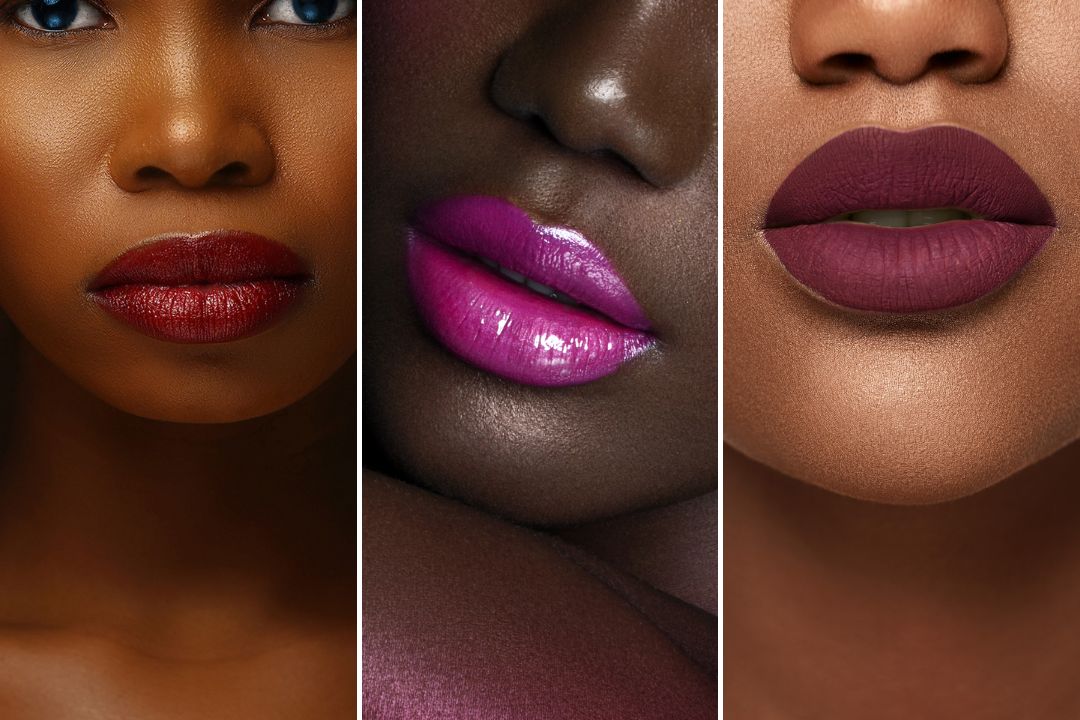
Vegan verification can take a few minutes per brand. Once you've audited a few, you'll know which ones to trust and which to skip.
The gap between a "vegan" claim and a verified one is where most conscious shoppers get stuck.
Frequently Asked Questions
How can you tell if a makeup brand is vegan?
Start by looking for third-party vegan makeup certification logos such as the Vegan Society Trademark or PETA's Beauty Without Bunnies. Then read the full ingredient list for animal-derived ingredients like carmine, beeswax, lanolin, collagen, and keratin. Check the brand's website for a clear animal testing policy and parent company ownership, since a vegan line can sit under a parent that tests on animals. If no certification exists, request written confirmation from customer service and cross-check with independent databases.
What is the difference between vegan and cruelty-free makeup?
Vegan refers to ingredients: no animal-derived components or by-products are used. Cruelty-free refers to testing: the product and its ingredients were not tested on animals. A product can be cruelty-free but contain beeswax or carmine, and a vegan product can be made by a parent company that still tests on animals elsewhere. Look for both labels if you want a product that is free of animal ingredients and not tested on animals.
Does a cruelty-free label mean a product is vegan?
No. Cruelty-free certification only confirms that no animal testing occurred in the product's development. It says nothing about ingredients. Many cruelty-free lipsticks still contain lanolin, beeswax, or carmine for color. To confirm a product is vegan, you need a separate vegan certification or a verified ingredient list. Treat the two claims as independent checks and require evidence for each one.
Which certifications can help verify vegan makeup claims?
The most widely recognized vegan makeup certification is the Vegan Society Trademark, which requires a full supply chain audit and bans animal testing. PETA's Beauty Without Bunnies program offers a searchable database of certified vegan and cruelty-free brands. Some regional logos, such as the Vegan Trademark in the UK and similar schemes in Europe, carry strict verification. A certification logo is stronger evidence than a brand's own marketing claim because it involves independent review.
How can you check whether makeup ingredients come from animals?
Read the INCI ingredient list and look for common animal-derived ingredients: carmine (red color from beetles), beeswax, lanolin, collagen, keratin, guanine (fish scales), and tallow. Also watch for less obvious names like 'hydrolyzed silk' or 'shellac'. If an ingredient is unfamiliar, search a cosmetic ingredient database. For synthetic compounds, ask the brand directly whether any animal-derived processing aids were used, because these are rarely disclosed on the label.
Can a brand be vegan if it sells non-vegan products?
Yes. A brand can carry a vegan certification for specific products while selling non-vegan items elsewhere in its range. This is common with larger cosmetics companies. Always check the individual product page or packaging for a vegan symbol, not just the brand homepage. If a brand markets itself as 'vegan-friendly' rather than '100% vegan', assume some products contain animal derivatives and verify each item you buy.
How do you verify a vegan claim when a product has no certification?
Contact the brand's customer service and ask for a written statement confirming that the product contains no animal-derived ingredients and that no animal testing occurred at any stage. Request the full ingredient list and ask about processing aids. Cross-check the brand against online cruelty-free and vegan databases. For small brands, ask directly about supply chain transparency and whether they can name their ingredient suppliers. Keep the written response as a record.
Are PETA-approved makeup brands always fully vegan?
No. PETA's Beauty Without Bunnies program has two separate lists: cruelty-free brands and vegan brands. A brand can appear on the cruelty-free list while still using animal-derived ingredients. To confirm a product is fully vegan, look for the vegan designation specifically, either on PETA's list or through the Vegan Society Trademark. Always verify at the product level rather than relying on a general brand approval.
