

Quick Summary
To buy natural hydrating lipstick online, check the ingredient list first for oils and butters such as shea, jojoba or avocado near the top. Then choose finish, undertone and depth before comparing prices per gram.
- Look for shea, jojoba, avocado or coconut oil near the top of the ingredient list.
- Choose finish first, then undertone, then depth of color.
- Compare products by price divided by net weight in grams, not sticker price.
- Check certifications, since natural and organic are not interchangeable labels.
- Patch test new products first if you have sensitive skin.
Table of Contents
- What Makes a Lipstick Both Natural and Hydrating
- Reading the Ingredient List for Plant Oils and Butters
- Natural, Organic and Vegan: What the Labels Actually Mean
- Choosing a Shade and Finish When You Cannot Try It On
- Best Hydrating Lipstick for Dry Lips: Comparing Hydration, Wear and Price
- Vegan Hydrating Lipstick Options and How to Verify Claims
- Ordering Your iBLipSilk Hydrating Lip Color Online
- Frequently Asked Questions
What Makes a Lipstick Both Natural and Hydrating
Last Updated: November 4, 2026
Dry lips are the first thing a shopper notices when a lipstick fails. A hydrating lipstick should feel comfortable while it wears, not just on the first swipe. A good hydrating lipstick combines nourishing oils with color that stays put. This guide walks you through how to buy natural hydrating lipstick online with confidence.
Hydration in a lip product comes from its base: butters, plant oils and waxes that sit on the lip and keep moisture in. Pigment does the coloring. A product can have plenty of color and still leave lips tight by lunchtime if the base is drying. So the first question to ask is what the formula is made of, not only what shade it comes in.
Reading the Ingredient List for Plant Oils and Butters
Ingredient lists run from the largest amount to the smallest. Look near the top for oils and butters such as shea, jojoba, avocado or coconut oil. These are the ingredients most likely to moisturize.
A common mistake is judging a product by its front label alone. A bold "natural" claim can sit next to a base that is mostly synthetic. Read the full list before you add anything to your cart.
Keep these checks in mind as you read:
- Oils and butters near the top: they make up most of the formula.
- Waxes: they give structure and help the color stay on.
- Pigments at the bottom: color is usually a small share of the total.
Natural, Organic and Vegan: What the Labels Actually Mean
These words are not interchangeable. "Natural" is loosely defined and often describes ingredients that come from plants or minerals, but it does not guarantee that the whole product is free of synthetics. "Organic" usually means the ingredients were grown under specific farming standards, and it may be backed by a certification body (Organic production and products). "Vegan" means no animal-derived ingredients, such as beeswax or carmine.
Check certifications and ingredient lists rather than trusting the marketing wording. Certification bodies publish their standards, and those standards tell you what a label must mean.
Choosing a Shade and Finish When You Cannot Try It On
Online shopping removes the chance to swatch a shade on your own lips, and product photos vary by screen, lighting and the model's undertone. The fix is to choose in a fixed order: finish first, then undertone, then depth of color. That sequence narrows the field before you look at a single product photo.
Start with finish, because it changes both feel and wear. A glossy or satin finish reflects light, feels softer on the lip and tends to show more shine, but it usually transfers faster and needs more touch-ups. A matte finish holds pigment longer and photographs more consistently, but matte formulas can feel drier, so they benefit most from a hydrating base underneath. If your priority is all-day comfort on dry lips, a glossy or satin hydrating formula is the safer starting point; if your priority is wear time, choose matte and plan to reapply a balm or hydrating layer.
Then match undertone, not just color name. Most practitioners sort shades into warm (golden, peachy, yellow-leaning), cool (pink, berry, blue-leaning) and neutral (balanced) undertones. A simple check: look at the veins on your inner wrist in daylight, greenish veins usually point warm, bluish veins usually point cool, and a mix points neutral. Warm undertones tend to flatter peach, coral, brick and warm nude shades; cool undertones tend to flatter rose, mauve, berry and pink-nude shades; neutral undertones can usually wear both sides of the spectrum.
Then choose depth for the occasion. Nude and soft rose shades suit everyday wear and are forgiving when you cannot test them. Brighter and deeper shades need more pigment to show true color, so they are less forgiving if the undertone is wrong. If a shade is described as "buildable," you can start with a light coat and add a second for intensity, which lowers the risk of buying a color that turns out too strong.
Use customer photos as a range, not a single reference. Look for reviews that show the shade on more than one skin tone, and compare those photos against the official product image. If every customer photo looks warmer or cooler than the listing, trust the customer photos.
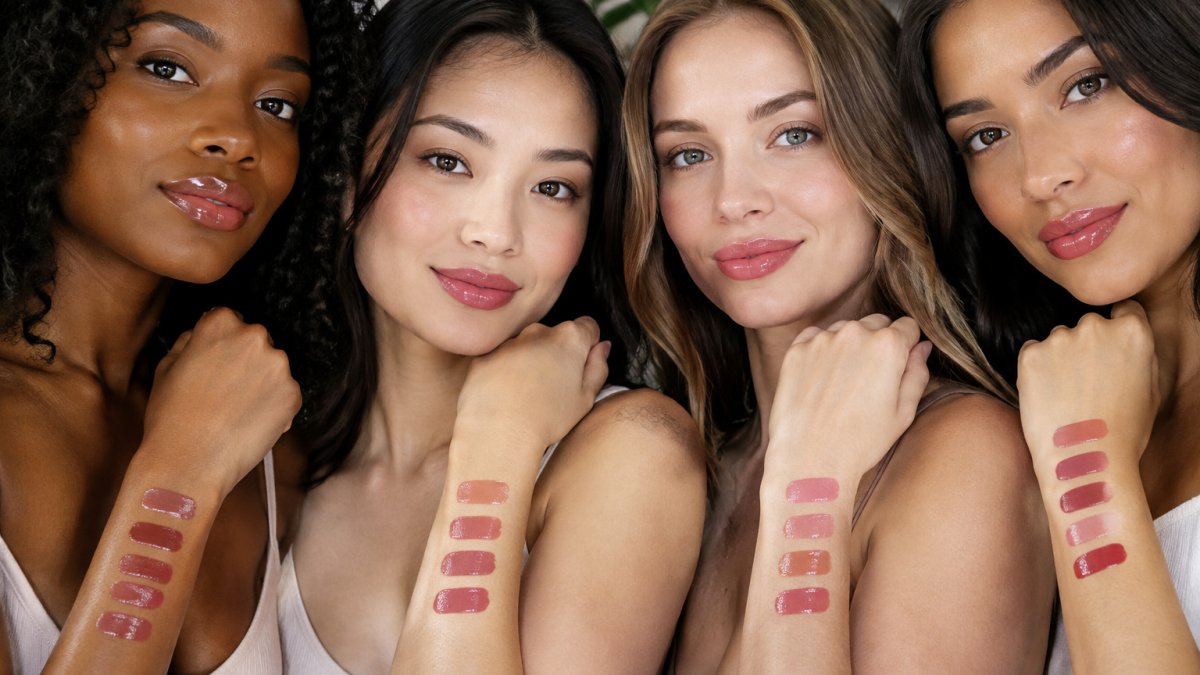
Watch out: screen calibration and indoor lighting can shift a shade by several tones, so never judge a color from a single photo taken under warm artificial light, check for at least one daylight photo before you buy.
Best Hydrating Lipstick for Dry Lips: Comparing Hydration, Wear and Price
Dry lips need a product that moisturizes and still lasts through meetings and meals, but "hydrating" and "long-wearing" are claims, not measurements. For practical guidance on keeping lips moisturized while wearing lipstick, see how to hydrate dry lips while wearing lipstick. To compare fairly, judge every product on the same four criteria: what moisturizes it, how long comfort lasts, how the finish wears, and what it actually costs per gram online. Most top-ranking guides list products without a consistent framework; this one uses the same criteria for each option so you can see the trade-offs.
The four comparison criteria
- Moisture source: which oils, butters or waxes sit near the top of the ingredient list. Shea butter is one moisturizing base used in this lineup.
- Comfort duration: distinguish immediate comfort (how the product feels on the first swipe) from lasting hydration (how lips feel after two to three hours). A formula can feel wonderful at application and still leave lips tight by lunchtime.
- Wear and finish: how the color holds through eating, drinking and talking, and whether the finish is glossy, satin or matte.
- Total online cost: price, size, cost per gram, shipping and returns, the number that actually matters when you buy online.
How the iBLipSilk lineup compares on those criteria
| Product | Price | Moisture source | Finish / wear | Best for |
|---|---|---|---|---|
| IB Lip Silk Lip Gloss | $21.00 | Shea butter | Glossy, full-pigment color built to last for hours | Color plus daily comfort; expect one or two reapplications a day |
| Lip Therapy W | $15.00 | Hydrating balm base with watermelon flavor | Balm, light wear | Hydration with a flavored balm feel |
| Lip Therapy A | $15.00 | Hydrating balm base with aloe flavor | Balm, light wear | Hydration with a soothing aloe feel |
| Mint Lip Therapy | $12.00 | Light moisturizing balm | Balm, light wear | Everyday light moisture and softness |
Reading the trade-offs
The IB Lip Silk Lip Gloss is the pick for people who want color plus daily comfort; its full-pigment formula is built to last for hours, and it uses a shea butter base. The Lip Therapy W and Lip Therapy A are priced at $15.00 each and are watermelon and aloe flavored. The Mint Lip Therapy is priced at $12.00 and is a mint and shea based lip oil that imparts moisture and softness.
Cost per gram, not just sticker price
Sticker price alone is misleading because package sizes differ. To compare honestly, divide the price by the net weight in grams (or ounces) listed on the product page. A $12.00 balm in a small tube can cost more per gram than a $21.00 gloss in a larger tube, and the reverse is also common. Do this math once for each product you are considering, and the "cheapest" option often changes.
Online purchase details to check before you add to cart
- **
- **
- Availability: whether the shade you chose is in stock, and whether backorders are clearly labeled.
- **
Best for: people who want color plus daily comfort, and who are happy to reapply once or twice a day.
Skip if: you need a lip product that stays unchanged for many hours without any touch-up.
Watch out: a low sticker price can hide a high cost per gram or a shipping fee that erases the saving, check the net weight and the shipping threshold before you decide a product is the cheaper option.
Vegan Hydrating Lipstick Options and How to Verify Claims
Many shoppers want vegan hydrating options that also feel good on sensitive lips. The IB Lip Silk Lip Gloss uses shea butter and is described as vegan-friendly in its product listing.
If you have sensitive skin, patch test a new product on a small area first. Read the ingredient list for fragrances or irritants that you already know bother you.
Ordering Your iBLipSilk Hydrating Lip Color Online
The IB Lip Silk Lip Gloss is priced at $21.00 and its tube features a mirror and lighted applicator. If you want a flavored lip therapy alongside your color, Lip Therapy W and Lip Therapy A are each priced at $15.00.

Take a moment to compare the ingredient list, finish and price before you add to cart. Then shop the iBLipSilk collection and choose the product that fits how you plan to wear it.
Frequently Asked Questions
What is the best hydrating lipstick for dry lips?
For dry lips, look for a formula built on plant oils and butters such as shea butter, which is known for its moisturizing properties. iBLipSilk's IB Lip Silk Lip Gloss is listed at 21.00 and uses a hydrating formula with shea butter, delivering full pigmented color that lasts for hours. Compare the ingredient list, finish and price before buying, and test how the formula feels after a few hours of wear, since comfort on dry lips is often what separates good products from disappointing ones.
What is the difference between natural and organic lipstick?
Natural lipstick uses ingredients derived from natural sources, while organic lipstick uses ingredients grown under certified organic standards. A product can be natural without being certified organic, so check the ingredient list and any certification rather than relying on the word natural alone. iBLipSilk products are vegan-friendly, and the listing for IB Lip Silk Lip Gloss describes shea butter as a key moisturizing ingredient.
How can I choose lipstick for sensitive lips?
Start with a short ingredient list and check for fragrance or ingredients you already know irritate you. Patch test a small amount on the inner wrist or lower lip for a day before wearing it all day. Hydrating formulas based on butters and oils tend to feel gentler on sensitive lips than long-wear matte formulas, though everyone reacts differently, so if you have a known allergy, review the full ingredient list before ordering.
Which ingredients should I look for in a hydrating natural lipstick?
Look for moisturizing plant butters such as shea butter and nourishing oils near the top of the ingredient list, since ingredients are usually listed by concentration. Pigment-rich formulas that still feel soft are a good sign of a balanced hydrating product. Vegan labelling tells you no animal-derived ingredients are used, which is worth confirming on the full ingredient list for any product you plan to buy.
