

Last Updated: November 16, 2026
Quick Summary
The best moisturizing lipstick for everyday wear combines three ingredient types: humectants, emollients, and occlusives. Choose a cushioned, pigmented formula you can reapply quickly, and check the full ingredient list rather than the front-of-tube claims. Pick the finish first, since a full pigmented gloss shows more colour while a sheer oil offers more comfort.
- Look for humectants, emollients, and occlusives together rather than relying on one ingredient family.
- Read the full ingredient list, since 'natural' and 'clean' are marketing terms, not verified standards.
- Emollients and butters near the top of the ingredient list drive the feeling of softness.
- Anhydrous balms and glosses need fewer preservatives, which often suits sensitive lips better.
- Blot excess balm before applying matte lipstick, or the colour will slide and need more reapplication.
Table of Contents
- What to Look for in a Moisturizing Lipstick for Everyday Wear
- Best Moisturizing Lipstick for Dry Lips: Our Top Picks Compared
- Comparison Table: Pricing, Finish and Best Use for Each Option
- Best Drugstore Moisturizing Lipstick Options and Budget Picks
- Best Moisturizing Lipstick That Stays On Through Long Workdays
- Choosing an Everyday Lipstick Shade for Brown Skin and Mature Lips
- Getting Your Pick Ready for Your Everyday Routine
- Frequently Asked Questions
What to Look for in a Moisturizing Lipstick for Everyday Wear
A moisturizing lipstick for everyday wear has to do two jobs at once: deliver colour that survives a commute and a lunch, and leave your lips softer at 6 p.m. than they were at 8 a.m. Most shoppers find the formula matters more than the shade, so start there. iBLipSilk's hydrating lip colours are built around that balance of comfort and pigment, and the criteria below will help you judge any option on the shelf.
Ingredients That Provide Deep Hydration
Hydration in a lipstick comes from three ingredient families, and the best everyday formulas stack all three rather than relying on one:
- Humectants pull water into the lip surface. Look for glycerin, hyaluronic acid, and aloe. They give the immediate 'quenched' feeling but need an occlusive on top or the water evaporates.
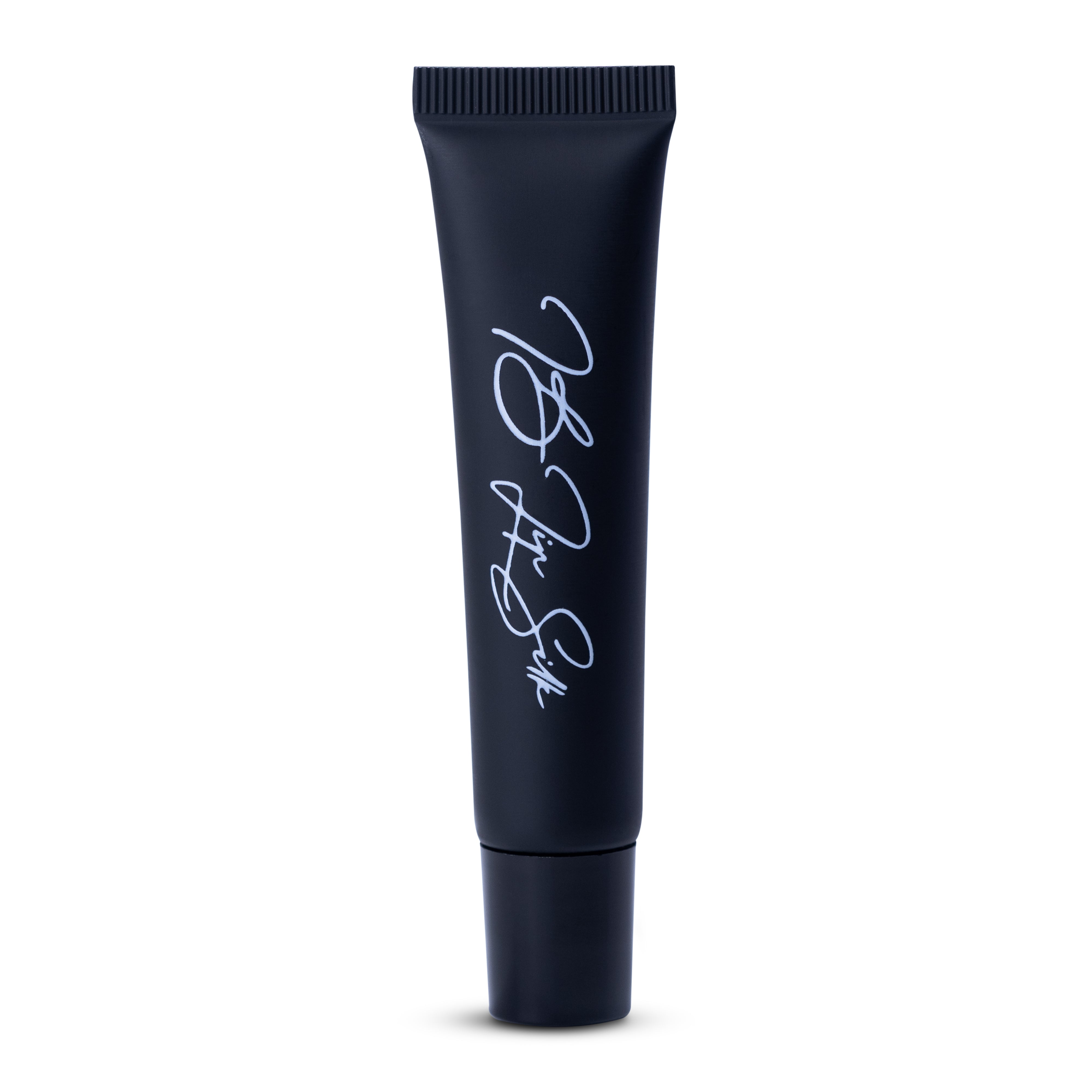
- Emollients soften and smooth the surface so colour glides over dry patches instead of catching on them. Shea butter, jojoba oil, and squalane are the common workhorses. The IB Lip Silk Lip Gloss uses shea butter, which is known for its moisturizing properties.
- Occlusives seal the whole thing in. Beeswax, candelilla wax, and petrolatum slow water loss through the day. A formula with humectants but no occlusive feels great for an hour and then leaves lips tighter than before.
Read the ingredient list in order. Emollients and butters near the top drive the feeling of softness; if they sit below the pigments and waxes, the product is a colour product with a moisturizing claim, not a moisturizing product with colour. For a deeper look at which natural ingredients earn a place in a hydrating lipstick, see our complete guide to natural ingredients in hydrating lipstick.
Ingredient Safety and Clean Beauty Standards
Many shoppers who care about ingredients want more than a marketing label. Clean beauty has no single legal definition in the U.S. or E.U., so treat it as a starting point for your own review rather than a guarantee. A practical checklist:
- Read the full list, not the front of the tube. 'Natural' and 'clean' are marketing terms; the INCI list is the verifiable part.
- Check the vegan claim against the listing. Verify any vegan claim against the product page rather than taking a badge at face value.
- Flag known irritants if your lips react easily. Common culprits in lip colour include fragrance, essential oils (peppermint, cinnamon), and some dyes. If you have reacted before, patch-test on the inner arm first.
- Note the preservative system. Anhydrous (water-free) balms and glosses need fewer preservatives, which is often why they suit sensitive lips better than liquid formulas.
Long-Lasting vs. Moisturizing Formulas
These two goals pull against each other. Long-wear lipsticks often rely on film-forming ingredients, while moisturizing formulas trade some wear time for comfort. A sheer oil like Mint Lip Therapy is a lighter, comfort-first option. For everyday wear, the practical answer is a middle path: a cushioned pigmented formula you can reapply in ten seconds, rather than a 12-hour matte you dread touching up.
How to Prep Lips for Lipstick Application
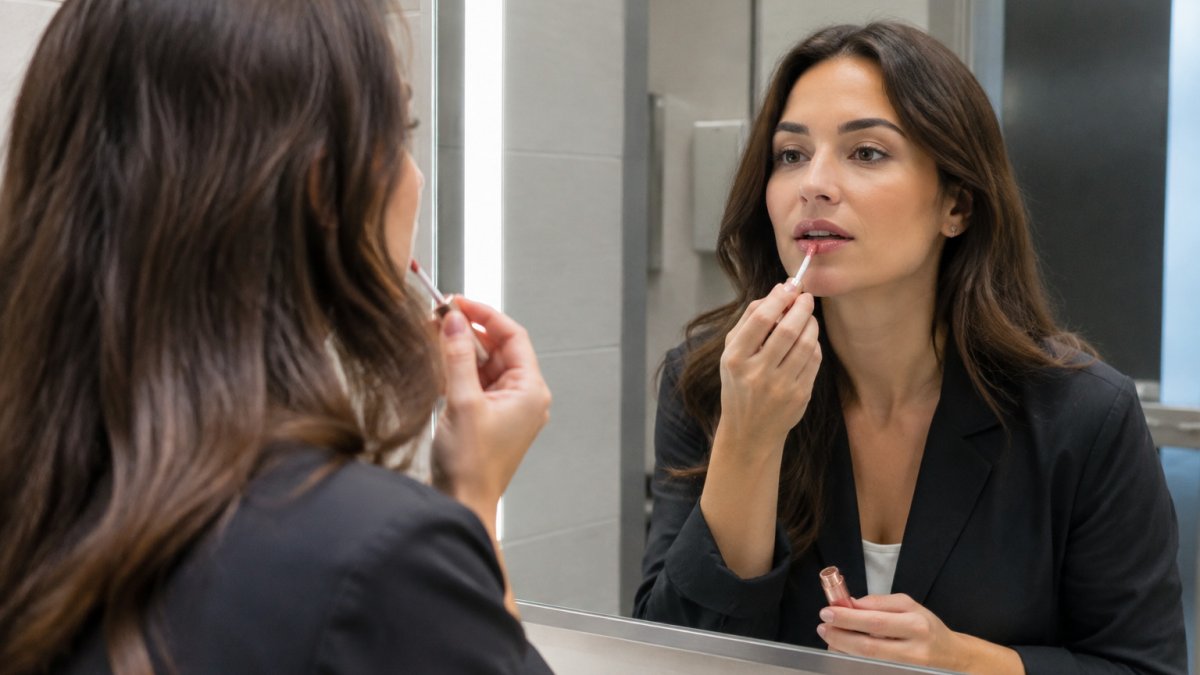
Prep is where most everyday dryness actually starts. Gently exfoliate with a soft cloth or a sugar scrub, apply a thin layer of balm, and let it absorb for a minute before colour. If you layer a balm under a matte lipstick, blot the excess first, otherwise the colour slides and you reapply more often, which is the opposite of what you wanted. Blotting away excess balm helps colour stay put, while choosing a natural lip balm that suits your lips can make the prep step more comfortable.
Best Moisturizing Lipstick for Dry Lips: Our Top Picks Compared
If your lips are dry or flaky, prioritise formulas that feel cushioned and do not sit on dry patches. Our first pick for this is the IB Lip Silk Lip Gloss. It combines a hydrating base with a full pigmented colour, and its tube features a mirror and lighted applicator.
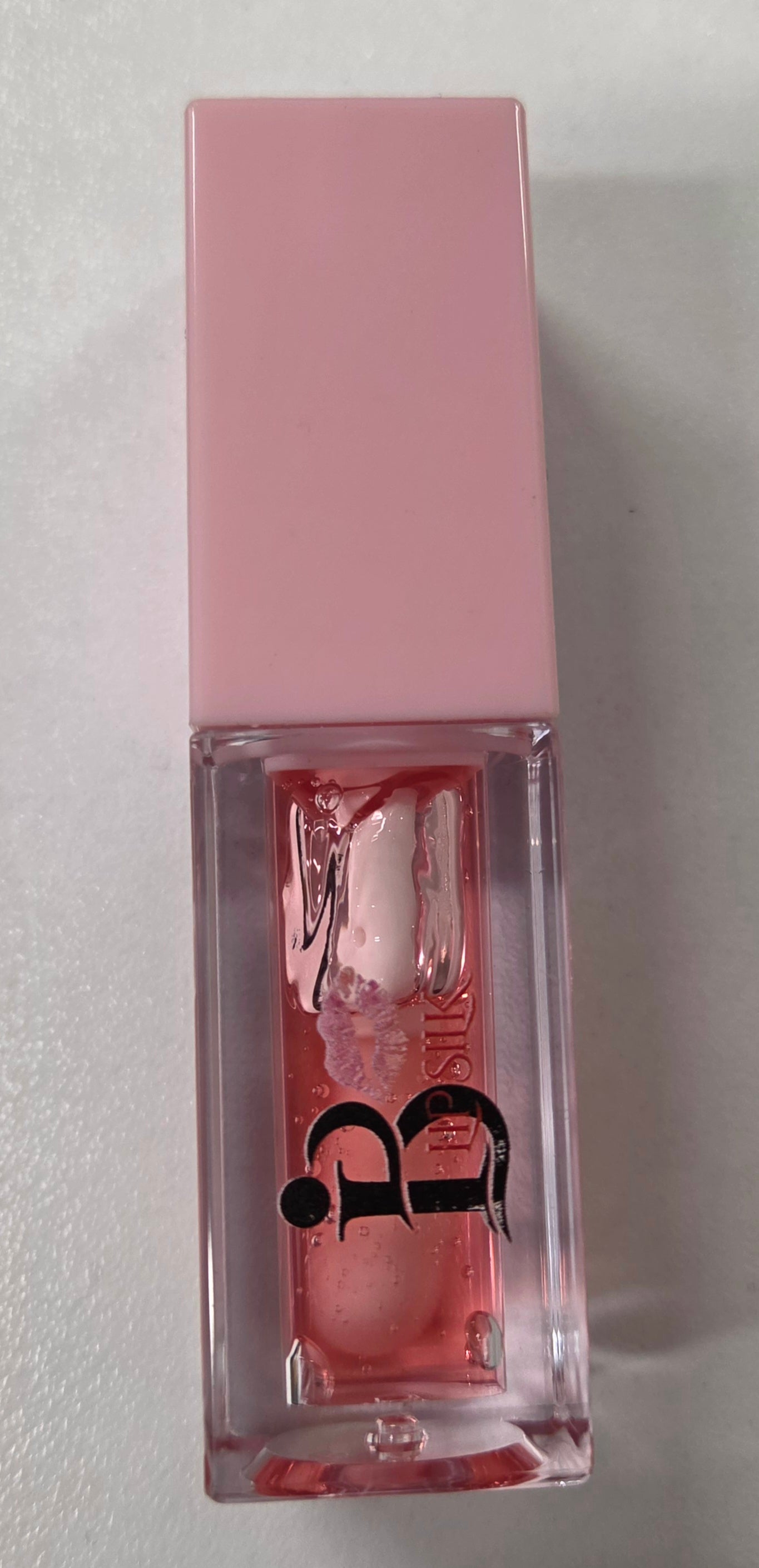
For a lighter option, consider Mint Lip Therapy. It is a mint and shea lip oil that imparts moisture and softness. Lip Therapy W comes in a watermelon flavour.
Comparison Table: Pricing, Finish and Best Use for Each Option
The table below summarises the four iBLipSilk products in this guide. Prices are the listed prices for each product.
| Product | Starting Price | Finish | Best For |
|---|---|---|---|
| IB Lip Silk Lip Gloss | $21.00 | Full pigmented gloss | Colour plus all-day hydration |
| Mint Lip Therapy | $12.00 | Sheer lip oil | Comfort on very dry lips |
| Lip Therapy W | $15.00 | Lip treatment, watermelon flavour | Flavoured daily hydration |
| Lip Therapy A | $15.00 | Lip treatment, aloe flavour | Soothing everyday use |
Starting Price
Pick the finish first. A full pigmented gloss will show more colour and needs more reapplication than a sheer oil. If you want both colour and hydration without a heavy feel, the gloss is the better match.
Best Drugstore Moisturizing Lipstick Options and Budget Picks
Budget matters, and iBLipSilk's lower-priced options give you a hydrating lip product without a high spend. Mint Lip Therapy is listed at 12.00, the lowest-priced product in this guide. Lip Therapy A and Lip Therapy W both start at $15.00 and offer flavoured hydration for everyday use.
Best Moisturizing Lipstick That Stays On Through Long Workdays
Long days test any lip product. The IB Lip Silk Lip Gloss has a full pigmented formula that delivers rich colour, and its tube includes a lighted applicator and mirror.
Sheer, oil-based products generally fade faster than full pigmented formulas, so expect less colour staying power from Mint Lip Therapy. That trade-off is deliberate: you get comfort and shine rather than long-wear colour.
Choosing an Everyday Lipstick Shade for Brown Skin and Mature Lips
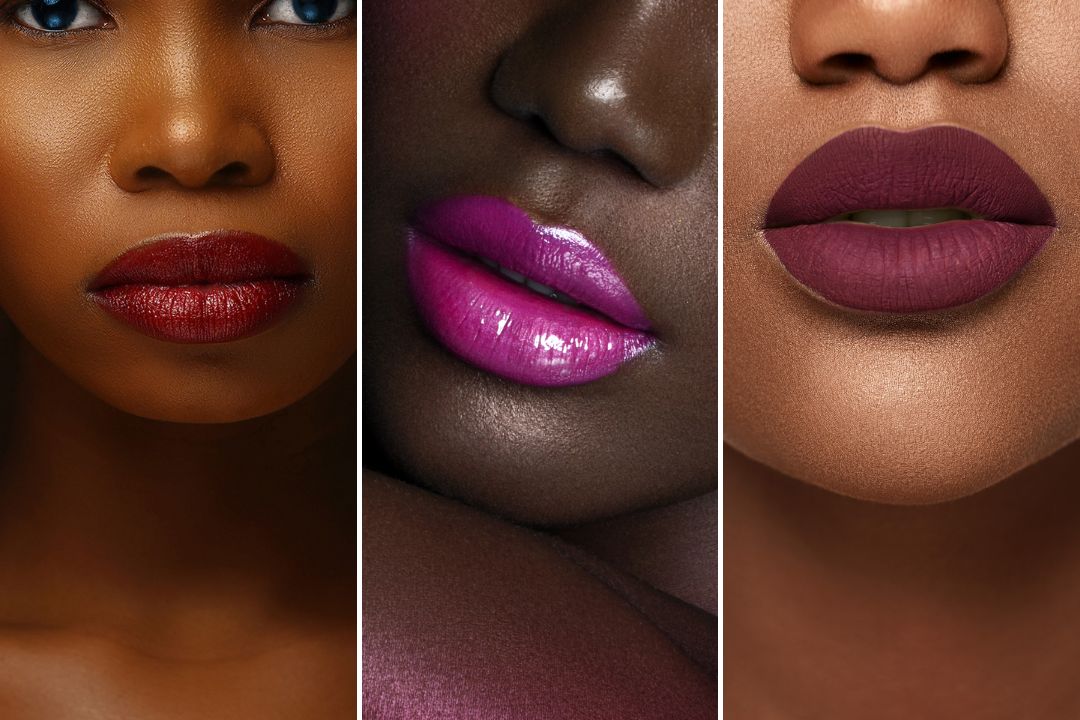
Shade choice affects how a lip colour looks on your skin, and undertone matters as much as depth. This is the part most guides skip, and it's the part that decides whether a 'universally flattering' shade actually flatters you.
Matching Undertone on Brown Skin
Brown skin spans a wide range of depths and undertones, and the same lipstick can read coral on one person and muddy brown on another. A workable method:
- Identify your undertone. Look at the veins on your inner wrist in daylight: greenish suggests warm, bluish suggests cool, and a mix suggests neutral. Olive undertones often sit between warm and neutral and can make pink-based shades pull grey.
- Match depth first, then undertone. A shade one or two steps deeper than your natural lip colour is the safest everyday choice; it reads as 'you, but better' rather than as a statement.
- Test in daylight, not store lighting. Department-store lighting is warm and flatters almost everything; step to a window before you commit.
- Buy online with a return plan. Check the shade description and product images carefully before ordering. Confirm the return terms before you buy.
Why Mature Lips Need a Different Formula
As lips age, fine lines around the lip border can become more visible, and colour can settle into those lines.
Formula characteristics that many people find comfortable on mature lips:
- Cushioned, sheer-to-medium coverage rather than full opaque matte. A gloss or lip treatment adds dimension and reflects light away from fine lines instead of emphasising them.
- A formula with occlusives high on the list. Waxes and butters help colour sit on top of the lip rather than settling into vertical lines.
- A shade with some warmth. Very cool, blue-based pinks and reds can look harsh against thinning lip texture; warm mid-tones and rose-browns tend to read softer.
- A lip liner in a matching tone to define the border and stop colour migrating into fine lines, especially useful if you've noticed feathering.
A Note on Sustainability
A lip product you actually finish is the lowest-waste option of all, which is another argument for choosing a formula you'll reach for daily rather than a statement shade that sits in a drawer.
Getting Your Pick Ready for Your Everyday Routine
Apply the product in thin layers, starting at the centre and working outward, and blot once to remove excess. Keep the tube in your bag so you can reapply after meals.
When you are ready to choose, start with the IB Lip Silk Lip Gloss if you want colour and hydration in one product, or Mint Lip Therapy if comfort is your priority. Explore the range at iBLipSilk.
Frequently Asked Questions
What is the best moisturizing lipstick for everyday wear?
The best choice depends on whether you prioritize long wear, dryness relief or budget. For everyday wear, look for a lipstick with emollients such as shea butter and a creamy, non-sticky texture that does not feel heavy after a few hours. Test a shade in natural light before committing, and compare the ingredient list against your own sensitivities.
Which drugstore lipsticks are best for dry lips?
Drugstore lipsticks can work well for dry lips when they contain emollients such as shea butter, squalane or vitamin E and avoid heavy drying alcohols high in the ingredient list. Sheer and satin finishes usually feel more comfortable than long-wear matte formulas. Compare the price per use, since a lower price does not always mean less hydration. The iBLipSilk Lip Gloss is priced at 21.00 and combines shea butter with a full pigmented formula.
What lipstick stays on without drying out your lips?
Lipsticks that stay on longer often rely on film-forming ingredients, which can feel drying if they lack emollients. A balance of long-lasting pigment and nourishing oils or butters tends to perform best for everyday wear. Apply a thin layer of balm before color, let it settle, then blot and reapply once after meals. Lighter, creamy formulas usually transfer less than heavy matte textures while still keeping lips comfortable through a long workday.
How can I make moisturizing lipstick last longer?
Exfoliate gently once or twice a week to remove dead skin, then apply a thin layer of lip balm and wait a minute before applying color. Line the lips with a matching liner, fill in with the lipstick, and blot to set the color. Reapply a light coat after eating or drinking instead of building up layers. Keeping lips hydrated throughout the day also helps color sit more evenly and reduces flaking that makes lipstick look patchy.
Is lipstick or tinted lip balm better for everyday wear?
Tinted lip balm offers lighter color and more comfort, which suits people with very dry or sensitive lips and those who want a low-maintenance look. Lipstick provides stronger pigment, more definition and better longevity for workdays and social plans. Many people use both, applying a balm as a base under lipstick.
Which lipstick shades work well for brown skin?
Deeper shades such as warm browns, berry tones, rich nudes with golden undertones and bold reds often look more even on brown skin than very pale pinks. Test shades on your jawline or the back of your hand in daylight rather than relying on the product photo. Sheer or buildable formulas let you adjust intensity. Choosing an everyday lipstick for brown skin is easier when you compare undertones, not just surface color.
What type of lipstick is most comfortable for mature lips?
Mature lips often lose moisture and show fine lines more clearly, so creamy formulas with a satin or sheer finish are often more comfortable than matte, long-wear textures. Look for emollients such as shea butter. Exfoliating gently and applying balm first also helps. Patch testing a new formula on a small area is a good idea if your lips are sensitive.
